



Introducing vetpkg.dev - Open Source Component Security Dashboard
On this page
Introducing vetpkg.dev
vetpkg.dev is a free service that provides visibility into the security of open source components. It is built using the SafeDep Cloud API to provide an easy to use interface for developers to check the security of their open source dependencies before using them in their projects.
Why did we build vetpkg.dev?
As the developers of vet, we often felt the need for customizing security metadata visualization for open source components. We wanted to mash up public and private data sources to provide easy access to aggregated security data. We expect that this information will help developers and security engineers make better decisions about the open source components before using them in their projects.
Using vetpkg.dev, we want to provide a simple and easy-to-use interface for
having a single source of truth for open source component security information
including malicious code
analysis results.
How to use vetpkg.dev?
Using vetpkg.dev is simple. You can search for an open source component by
its ecosystem, name and version. For example, navigate to the following URL
You can also search for specific component by navigating to vetpkg.dev
How does vetpkg.dev work?
vetpkg.dev uses the SafeDep Cloud API to fetch security information about open
source components. This includes information about known vulnerabilities, licenses,
project metadata, malicious code analysis results and more. It uses SafeDep
Insights API to
fetch the required information.
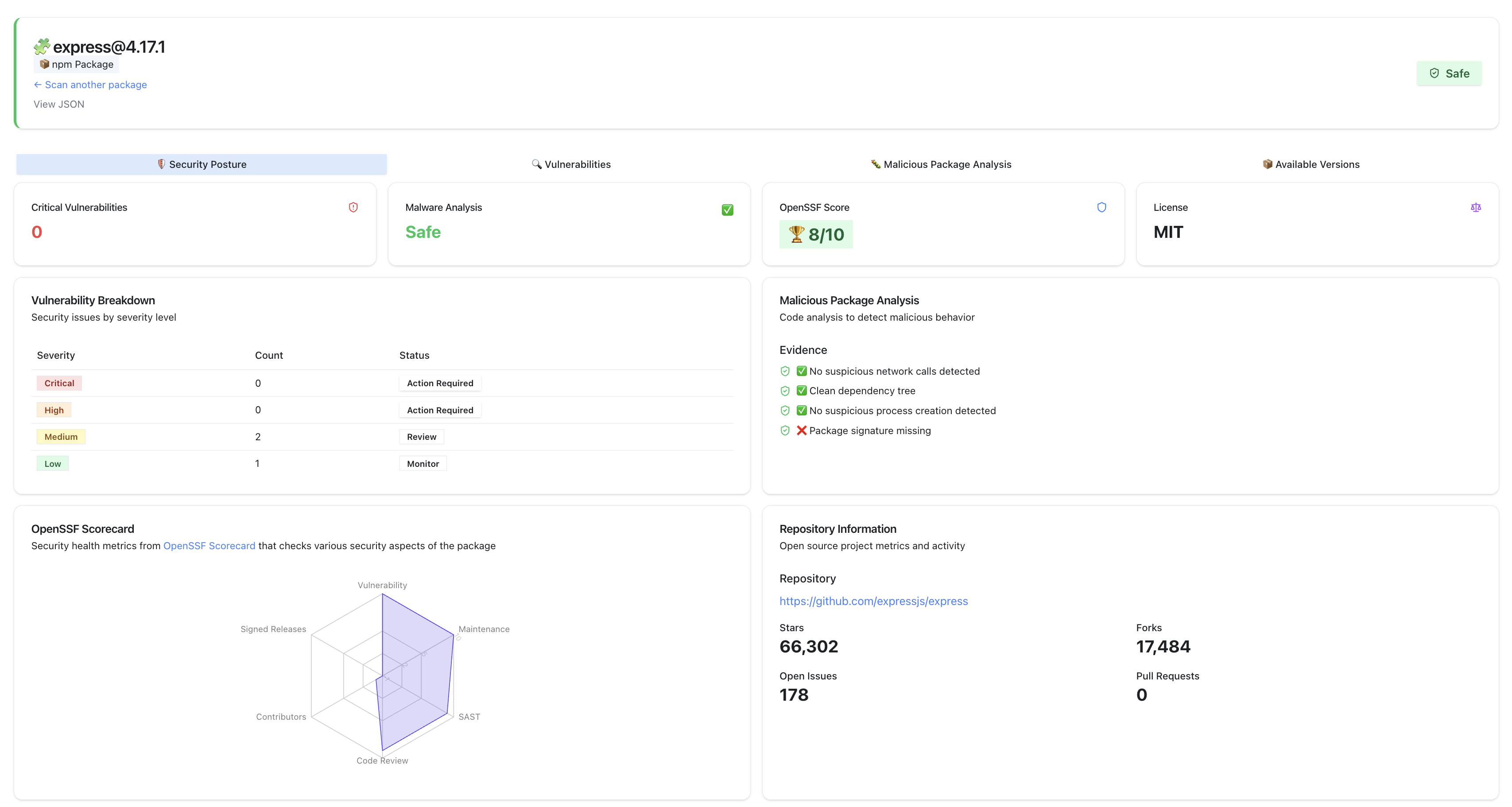
Example
The source of screenshot below is available here
- sca
- nextgen-sca
- reachability
- ossrisk
- guide
Author

SafeDep Team
safedep.io
Share
The Latest from SafeDep blogs
Follow for the latest updates and insights on open source security & engineering

eMudhra CA Key Compromise: Response Guide for Developers
Anyone can compute eight eMudhra intermediate CA private keys from public certificates. Browsers block the compromised intermediates, but CI runners, containers, JVMs and Go binaries can still trust...

Compromised LiteLLM 1.107.0 on PyPI Installs a Credential Stealer and Backdoor
Every wheel of LiteLLM 1.107.0 on PyPI installs a credential stealer and a remote code execution backdoor. Both run each time Python starts. The code is not in the upstream GitHub source.
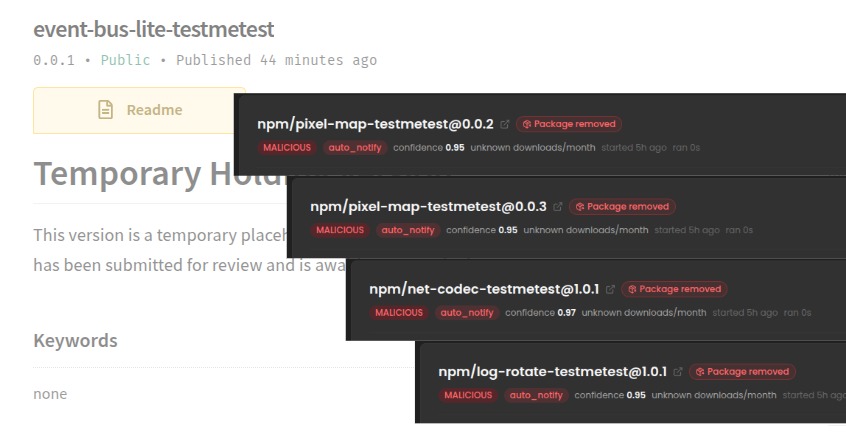
testmetest npm Packages Carry a Miasma-Family Worm
18 npm packages carry a Miasma-family worm that steals credentials, spreads to other packages and installs a wiper. New builds replace the binding.gyp trigger with a native addon.

Forged Commits Push a preinstall Dropper into hugo-paper and mevn-cli
An attacker pushed forged commits to the default branches of hugo-paper and mevn-cli. Running npm install or bun install in either repository downloads and runs a second-stage script from...


Ship Code.
Not Malware.
Start free with open source tools on your machine. Scale to a unified platform for your organization.
